

Help decode diabetes: Symptoms and crucial tests
Explore Quest’s diabetes and prediabetes blood tests, including hemoglobin A1c (HbA1c) and fasting blood glucose tests. Purchase lab tests online without a doctor’s visit and get results from the same quality lab tests that doctors and hospitals use.
What is diabetes?
Diabetes is a condition that affects how your body uses glucose (sugar). Insulin, a hormone made by the pancreas, helps glucose move from the bloodstream into cells for energy.
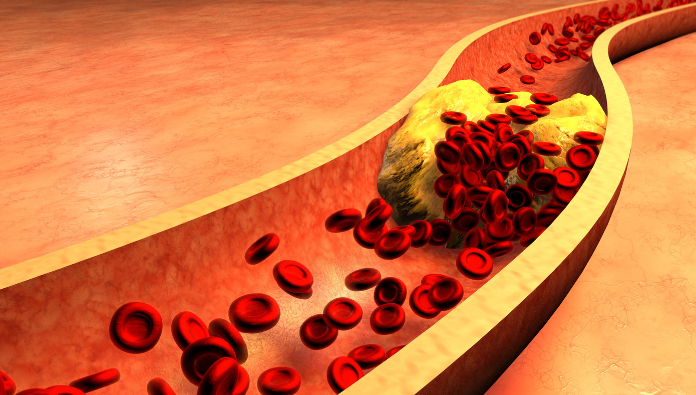
When the body does not make enough insulin or cannot use insulin effectively, glucose can build up in the blood. Over time, high blood sugar can increase the risk of cardiovascular issues, kidney damage, and other health complications.
There are different types of diabetes, and each has different causes and risk factors. Prediabetes means blood sugar levels are higher than normal but are not yet in the diabetes range. Understanding diabetes, recognizing possible symptoms, and learning about blood sugar testing can help you to make more informed decisions.
Type 1 diabetes
Type 1 diabetes (T1D) is an autoimmune condition. The immune system attacks the insulin-producing cells in the pancreas, resulting in little or no insulin production.
- Cause: An autoimmune process that damages insulin-producing cells
- Who can develop it: People of any age, including children and adults. People with a parent, sibling or child with type 1 diabetes are about 15 times more likely to develop the condition.¹ Still, most people diagnosed have no family history
- Testing: Autoantibody testing is available to purchase for people 10+ on questhealth.com
- Symptoms: May develop quickly and can include increased thirst, frequent urination, unexplained weight loss, and fatigue
- What's tested: 4 autoantibodies (IAA, IA-2, GAD65, and ZnT8)
- Treatment: People with type 1 diabetes need insulin therapy as their pancreas doesn’t produce the hormone
People with type 1 diabetes also carry a higher risk of developing other autoimmune conditions including Hashimoto's thyroiditis, Graves' disease, celiac disease, and others.
Please note: Type 1 diabetes is not caused by eating too much sugar or by a lack of physical activity.
Type 1 diabetes can sometimes develop rapidly. Seek immediate medical care if symptoms like vomiting, abdominal pain, difficulty breathing, fruity-smelling breath, or significant drowsiness or confusion occur. These can be signs of diabetic ketoacidosis (DKA), a serious medical emergency.
Type 2 diabetes
Type 2 diabetes develops when the body does not use insulin effectively and, over time, may not produce enough insulin to maintain normal blood sugar levels.
- Cause: A combination of insulin resistance, changes in insulin production, and other contributing factors
- Who can develop it: People of any age, although it is more common in adults
- Symptoms: May develop gradually, and some people have no noticeable symptoms
- Related tests: Hemoglobin A1c, glucose, insulin, C-peptide, cholesterol (lipid) panel
- Management: You can help manage the condition with lifestyle changes, medication and, for some people, insulin therapy
Risk factors can include family history, physical inactivity, obesity, prediabetes, and certain health conditions. Having risk factors does not mean a person will develop type 2 diabetes.
What is the difference between type 1 and type 2 diabetes?
The key difference between type 1 and type 2 diabetes is how each condition develops. Type 1 diabetes results from autoimmune destruction of insulin-producing cells, while type 2 diabetes involves insulin resistance and a gradual decline in the body’s ability to meet its insulin needs.
Blood sugar tests can identify elevated glucose levels, but they do not always determine which type of diabetes a person has. Additional clinical evaluation may be needed.
Adults who develop type 1 diabetes are sometimes first diagnosed with type 2. Autoantibody testing can help tell them apart.
Beyond types 1 and 2, diabetes includes Latent Autoimmune Diabetes in Adults (LADA), which is slow-developing autoimmune diabetes in adults, Maturity-Onset Diabetes of the Young (MODY), which is a rare, inherited genetic form, and temporary gestational diabetes during pregnancy—though emerging research shows diabetes is even more complex, pointing to further distinct medical subtypes.
Prediabetes
Prediabetes means your blood sugar levels are higher than normal, but not yet high enough to be classified as type 2 diabetes. Because the condition often has no clear symptoms, many people have it without realizing it. However, progression is not inevitable; lab tests can help you establish a baseline, monitor trends over time, and take proactive steps to protect your health.
Who may have an increased risk?
- Having a parent, sibling, or other close family member with type 2 diabetes
- Being physically inactive or overweight
- Having a history of gestational diabetes
- Having certain health conditions associated with insulin resistance
Prediabetes can be an opportunity to discuss preventive steps with a healthcare provider. Depending on individual circumstances, changes in physical activity, eating habits, and other lifestyle factors may help lower the risk of developing type 2 diabetes.
Symptom checker
-
Possible signs & symptoms:
-
Fatigue or low energy, unexplained weight loss
-
Excessive thirst, frequent urination, increased hunger
-
Dry mouth, dry eyes, blurred vision, yeast infections, extremely dry or itchy skin
-
Frequent infections, slow-healing cuts, bruises, or sores, pain, numbness, or tingling in the hands, feet, or legs
Please note: Signs and symptoms of diabetes may be hard to recognize or go unnoticed and this is not an exhaustive list. Testing can help give you and your healthcare provider detailed insights into your symptoms.
Understanding the connection between insulin & metabolic health
Blood sugar is one piece of the metabolic health puzzle. Insulin helps your body regulate blood sugar, and understanding factors related to insulin production, kidney function, and overall metabolic health can help provide a broader picture of your wellness. These factors are interconnected. For example, cardiovascular-kidney-metabolic (CKM) syndrome involves overlapping risk factors and conditions, including excess body weight, type 2 diabetes, chronic kidney disease (CKD), and cardiovascular disease (CVD).² Lab testing can help assess certain aspects of metabolic health and identify potential risk factors, giving you and your healthcare provider more information to guide next steps.
How is diabetes diagnosed?
Your test results are not a diagnosis. A healthcare provider can confirm a diagnosis using your results, symptoms, medical history, and repeat testing. These diabetes-related blood tests can give you insights into where you stand:
Hemoglobin A1c (HbA1c) Test: The HbA1c test measures the percentage of hemoglobin in red blood cells that has glucose attached to it. It provides an estimate of average blood sugar over the past two to three months.
Fasting Blood Glucose Test: A fasting blood glucose test measures the amount of glucose in the blood after at least eight hours without food or caloric beverages.
The American Diabetes Association states the following HbA1c and glucose levels:³
Prediabetes
- HbA1c 5.7–6.4%
- fasting glucose 100–125 mg/dL
Diabetes
- HbA1c 6.5% or higher
- fasting glucose 126 mg/dL or higher
Lab work, with less work
Quest makes getting a more complete picture of your health as easy as it should be.
• No doctor visit* or health insurance required for purchase
• No surprise medical bills in the mail
• Purchase online and visit a nearby Quest location for sample collection
• Receive fast, online results
• You have the ability to discuss your results with an independent healthcare provider
Articles you might be interested in
Get 10% off
Looking for health insights? Sign up to receive emails and save on your first purchase.
Must be 18+ to sign up. By submitting your email address, you are requesting and agree to receive marketing emails from Quest Consumer. You can opt-out by clicking the Unsubscribe link in these emails. By providing your email address, you are certifying that you are age 18+. 10% off offer valid on first purchase on questhealth.com only and cannot be applied to previous purchases or combined with other promotions and offers. Exclusions apply. Offer is not valid in Arizona, Hawaii, or Pennsylvania. Discount subject to change; please see the Promotions & Offers page for the most up-to-date discounts and offers.
Thank you!
Thanks for signing up.
*No doctor visit is required to buy your own lab test at questhealth.com. A $6 Physician Service Fee is collected on behalf of PWNHealth and its affiliates for independent physician oversight of lab testing including ordering testing if appropriate. PWNHealth also reviews your test results and will contact you directly if they require prompt attention. Included in each purchase is the ability to discuss your test results with an independent healthcare provider; however, you are also encouraged to speak with your primary healthcare provider.
References:
- Centers for Disease Control. Screening Type 1 Diabetes. https://www.cdc.gov/diabetes/diabetes-testing/screening-type-1-diabetes.html
- American Heart Association. Heart Disease Risk Prevention and Management. https://newsroom.heart.org/news/heart-disease-risk-prevention-and-management-redefined
- American Diabetes Association. Diabetes Diagnosis. https://diabetes.org/about-diabetes/diagnosis
- NIDDK. Diabetes Tests & Diagnosis. https://www.niddk.nih.gov/health-information/diabetes/overview/tests-diagnosis
- American Diabetes Association — Standards of Care in Diabetes, 2026: Diagnosis and Classification. https://diabetesjournals.org/care/article/49/Supplement_1/S27/163926/2-Diagnosis-and-Classification-of-Diabetes
- NIDDK. Diabetes Overview. https://www.niddk.nih.gov/health-information/diabetes/overview
- American Diabetes Association. Standards of Care in Diabetes, 2026: Prevention or Delay of Diabetes. https://diabetesjournals.org/care/article/49/Supplement_1/S50/163924/3-Prevention-or-Delay-of-Diabetes-and-Associated